
Chef Julie’s Pasteles with Green Banana, Yautia & Pork for Three Kings Gatherings
- January 2025
- By Julie Carrion
- Recipe from Puerto Rico
-
- (2)
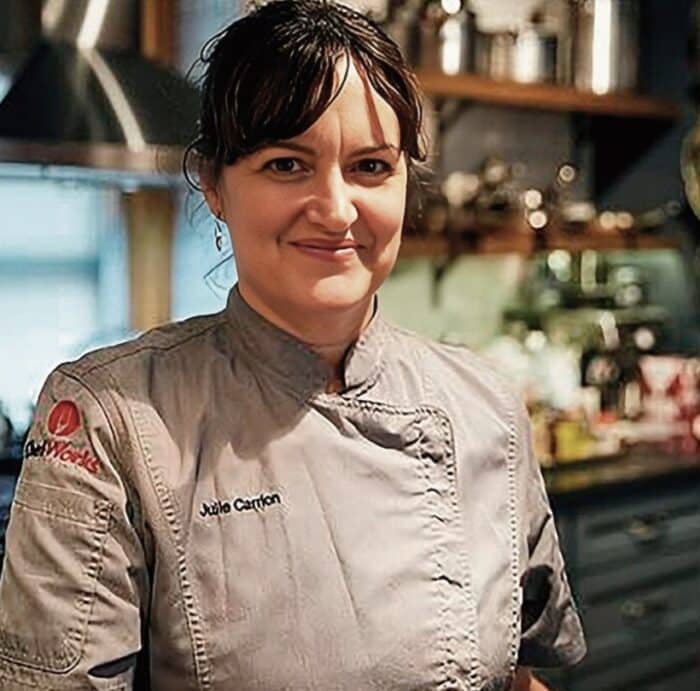
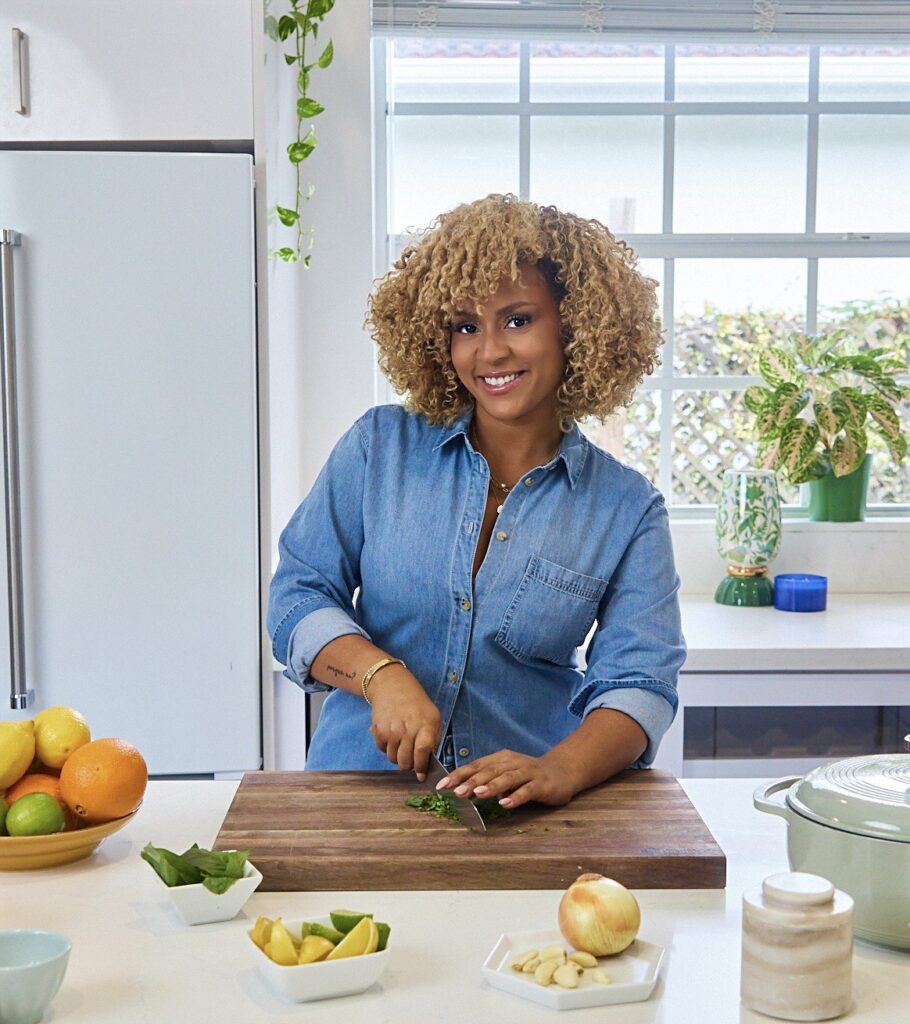
Pasteles, like a certain star followed by Three Wise Men, shine bright at chef Julie Carrion’s annual Reyes celebration of familia and food at her Connecticut home. If you didn’t grow up Catholic, you may not know about Reyes, aka Three Kings Day, aka Epiphany, which takes place every January 6. Lots of Latinos and just about every Puerto Rican we know gather in honor of the day los Tres Reyes Magos finally arrived at a famous manger in Bethlehem two millennia ago.
To celebrate, delicioso food, drink and general merriment are in order, even if the fiesta has a slight wistful note. In Puerto Rico, at least, Reyes marks the end of the holiday season and it’s back to work for everyone — until the coquito starts flowing again, as early as next Thanksgiving.
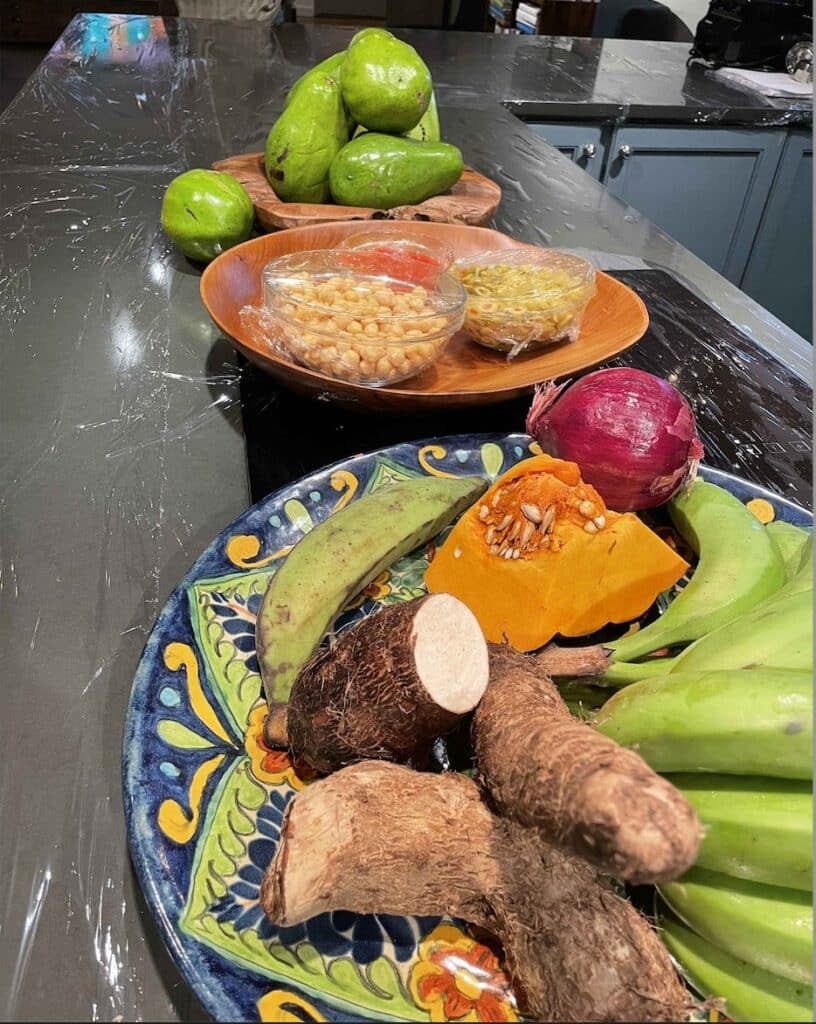
But first: one last blowout. Boricuas tend to go big on this final fiesta. And so, on or around every January 6, Chef Julie invites her loved ones over to tuck into her traditional Puerto Rican Three Kings spread. All the usual suspects are served: arroz con gandules, pernil,and several types of pique, a Boricua condiment with a sharp vinegary kick. The big-deal dish, of course, is Julie’s pasteles: banana leaf-wrapped masa-stuffed wonders, made with traditional Boricua root vegetables like yautia, which looks like this. You can find yautias in most Latino grocery stores, especially this time of year.

Chef Julie’s Pasteleada for Cruise Dinners Bound for P.R.
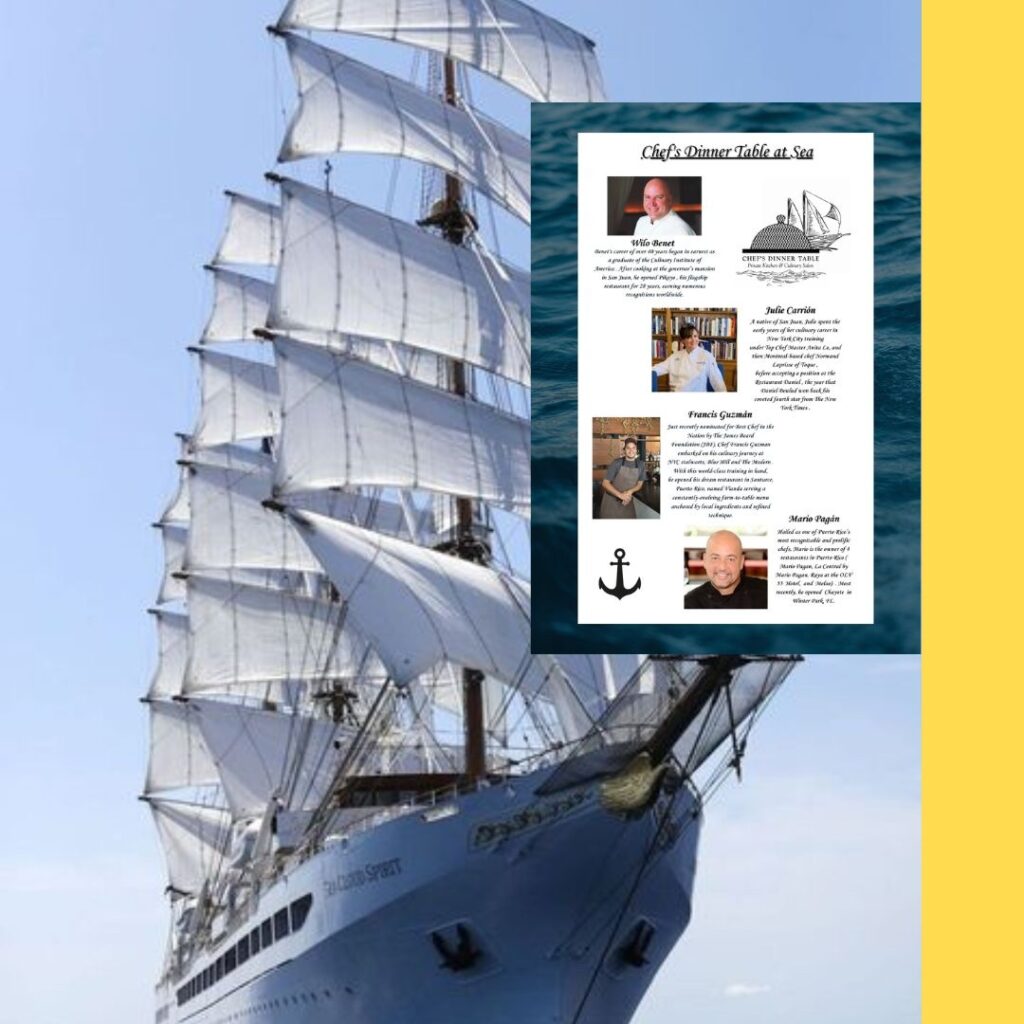
Chef Julie has long been family-famous for her pasteles. Which is why when she was invited by Sea Cloud Cruises to cook a Puerto Rican menu for the line’s 2025 inaugural voyages to Puerto Rico this month, she immediately accepted. What do you suppose her onboard menu’s star dish will be? Pasteles, of course. “I am very excited I’m able to represent Puerto Rico,” says Chef Julie, who grew up in Sarasota, Florida, but as a kid traveled regularly to the island to visit family. “I was born in Puerto Rico, but I grew up here for most of my life. A lot of our celebrations were anchored in the foods that are traditionally celebrated around the holidays, like Three Kings Day.”

What Are Pasteles — and How Are They Different From Tamales?
Pasteles are to Puerto Rico what tamales are to Mexico, explains Chef Julie, sort of. “It’s not a tamale, but it’s like a tamale,” she says.
Here are three ways a pastel is like a tamale — and not:
1) Not Like a Tamale: No Corn
Instead of using corn-based masa harina, the masa in pasteles is made with root vegetables like yuca, malanga and yautia, plus unripe green bananas. The mixture is then filled with a savory stew of pork, chicken or chickpeas, if vegetarian.
2) Like a Tamale: Assembly-Line Prep
Just like with tamales, pasteles take a day or two to put together and require a lot of helpful hands. The whole family typically comes over to join the pastelada assembly line the day before or day of. The kids wash the banana leaves, a tia makes the sofrito and pork or chicken stew, a cousin prepares the masa, another brushes on the achiote oil, and the family matriarch supervises the boiling process. Much beer and rum is tossed back amid the catching up and family gossip.
3) Like a Tamale: Holiday Dish with Indigenous Heritage
In Puerto Rico, pasteles are traditionally saved for the holidays and the main dish of the Nochebuena dinner. (Unless pernil is being served. Many households do both, deliciosamente.) The banana leaf-wrapped masa packages speak to the island’s Taino Indigenous ancestors, with Spanish and African contributions. Similarly, tamales are grounded in their homelands’ indigenous cultures, and also reflect Spanish influences with the addition of meat, poultry, garlic and onions.
“Part of everyone’s identity is around their holidays, what kinds of food did they cherish, what feels true to them,” says Chef Julie. And now, thanks to her, all voyagers onboard Sea Cloud’s sailing to Puerto Rico during her week: January 10 to 17, will have the chance to cherish her pasteles, and the other classic Puerto Rican holiday dishes she will be serving.
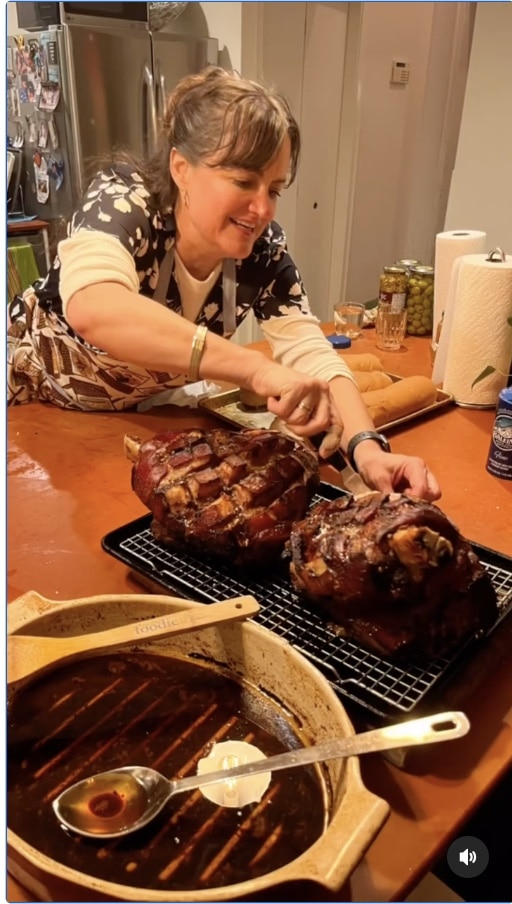
How to Make Julie’s Family-Famous Pasteles
“My own recipe has changed over the years. Every year as I get ready for Three Kings Day at my house, I make notes. 2019: Add more pumpkin. 2020: More brushes for achiote oil. I have a running list. Plus, I have vegetarian kids, so I made some pasteles that don’t have pork — and it turns out that people really like that option,” she says. “I’ve got it down now. Why mess with what’s working?”
Every family makes their pasteles a little differently, and here is how Julie approaches hers. “I make my masa with yautia, calabaza (pumpkin) and green bananas. I also put a lot of achiote oil, add a little milk so it doesn’t turn colors, a little of orange juice and zest, sofrito, and then the Spanish imported things like almonds, dates, and olives. I make some with pork, and some with chickpeas for the vegetarians. I am calling upon Puerto Rican ingredients and techniques, and am able to create a bridge between my French training and Puerto Rican culture. I hope people know that like any other art, there is endless variations in how people express themselves. I am so looking forward to a global audience that sees how we take the ingredients, be true to them, and show them a new way.”
Happy Reyes, Boricua-style, from Chef Julie to the world.
For more Puerto Rican classics to make with Chef Julie’s pasteles, check out her arroz con gandules and sofrito. Coming soon: Chef Julie’s own recipe for guineitos en escabeche, or vinegary (some say pickled) green bananas. We’re waiting for her to come home from the cruise to share this family-famous recipe. Stay tuned, and feliz Reyes to all.
Ready to Make Chef Julie’s Green Banana, Yautia and Pork Pasteles?

Chef Julie’s Pasteles with Green Banana, Yautia and Pork for Boricua-Style Holidays
16
servings4
hours1
hourIngredients
- For the Pasteles Filling
3/4 cup canola oil
1 Tbsp achiote seeds
1 lb pork loin, cut into ¼″ cubes
8 oz ham, cut into 1/4″ cubes
3/4 cup pitted dates, minced
2 Tbsp fresh orange juice
1 Tbsp fresh lime juice
1 Tbsp dried oregano
2 tsp capers, minced
12 pitted green olives, minced
4 sprigs cilantro, minced
1 clove garlic, minced
1 small yellow onion, minced
1 red bell pepper, stemmed, seeded, and minced
1/2 green bell pepper, stemmed, seeded, and minced
7 1/2 oz cooked chickpeas, drained (1/2 of a 15-oz can)
kosher salt, to taste
black pepper, freshly ground, to taste
- For the Masa
2 lb white yautia or taro, peeled, rinsed, and grated
2 lb green bananas, peeled and grated
1/2 cup milk
- For the Wrapping and Boiling
16 banana leaves (if not using parchment)
16 squares parchment paper (if not using banana leaves), cut into 12” pieces
1 roll kitchen twine, to tie the pasteles
1/2 cup blanched whole almonds
Directions
- To Make the Filling
- Heat oil and achiote seeds in a 1-quart saucepan over high heat until the oil turns red. Remove and discard achiote seeds.
- Mix ¼ cup achiote oil, pork, ham, dates, juices, oregano, capers, olives, cilantro, garlic, onions, peppers, chickpeas, and salt and pepper in a bowl.
- Chill.
- To Make the Masa
- Place the remaining achiote oil, chopped yautia, chopped bananas, and milk in a food processor. Blend until smooth.
- Putting It All Together: Building and Boiling the Pasteles
- Place a 12″ square of banana leaf or parchment paper on your work surface.
- Spread ¼ cup of the masa into a 5″ x 3 ½″ rectangle in center the banana leaf or parchment paper.
- Spread 3 Tbsp of the pork filling on the masa rectangle. Top with 5 to 6 almonds.
- Fold the banana leaf square in half so that the masa encloses the filling.
- Continue folding under the open top and sides to form a tight package.
- Wrap the package tightly in a 12″ square of foil and tie shut with kitchen string.
- Repeat with remaining masa and filling for all 16 pasteles.
- Bring an 8-quart saucepan of water to a boil. Place the wrapped pasteles in the water.
- Lower heat and simmer until the filling is cooked through, about 1 hour.
- Drain and cool before serving, typically with the traditional must-have side for pasteles: arroz con gandules.
Like This


 EN
EN  ES
ES
Got a question or suggestion?
Please rate this recipe and leave any tips, substitutions, or Qs you have!
Suggestions and questions from our readers
This is the pasteles recipe I’m making from now on. I’ll try it both with pork and without, since she says the chickpea version is great too. Thanks Chef Julie.