


How to Make My Abuela’s Gorditas for National Hispanic Month
- septiembre 2026
- Por Vivian Vianey
- Receta de México
-
- (2)

The answer is her grandmother’s gorditas. Always.
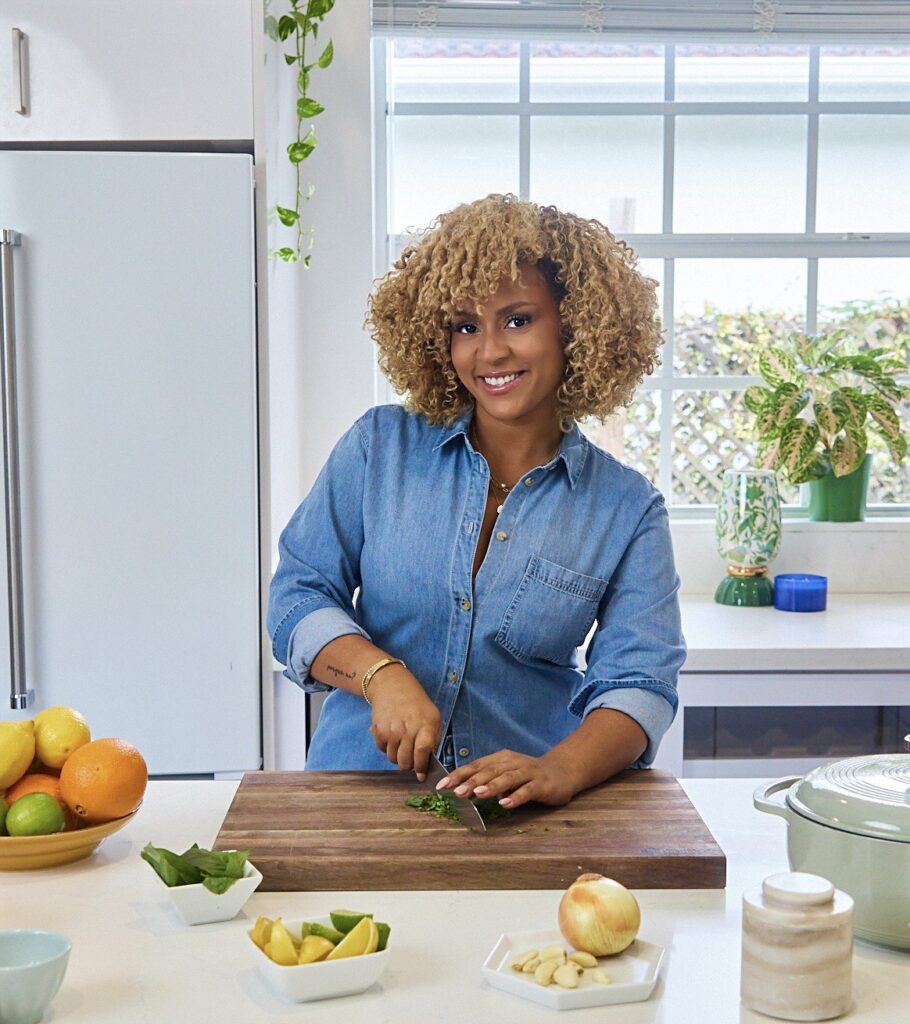
Para Vanessa “Vivi” Vianey, of Vivi’s Table fame and a Chicago-based latina culinary experta, these masa harina-stuffed pockets of delicioso, are la beloved family dish that inspires and grounds her cooking. They represent her Mexican family history and the power of food and memory.
So when she was asked by Asadero en espanglish spices and cocina familiar to choose her all-time favorite meals for this special series celebrating National Hispanic Heritage Month, gorditas were the first dish Vivi chose.
And not just any gorditas. Her abuela’s gorditas, made with two kinds of filling: beans and cheese, and queso fresco enchilado (fresh, crumbly cheese mixed with enchilada sauce).
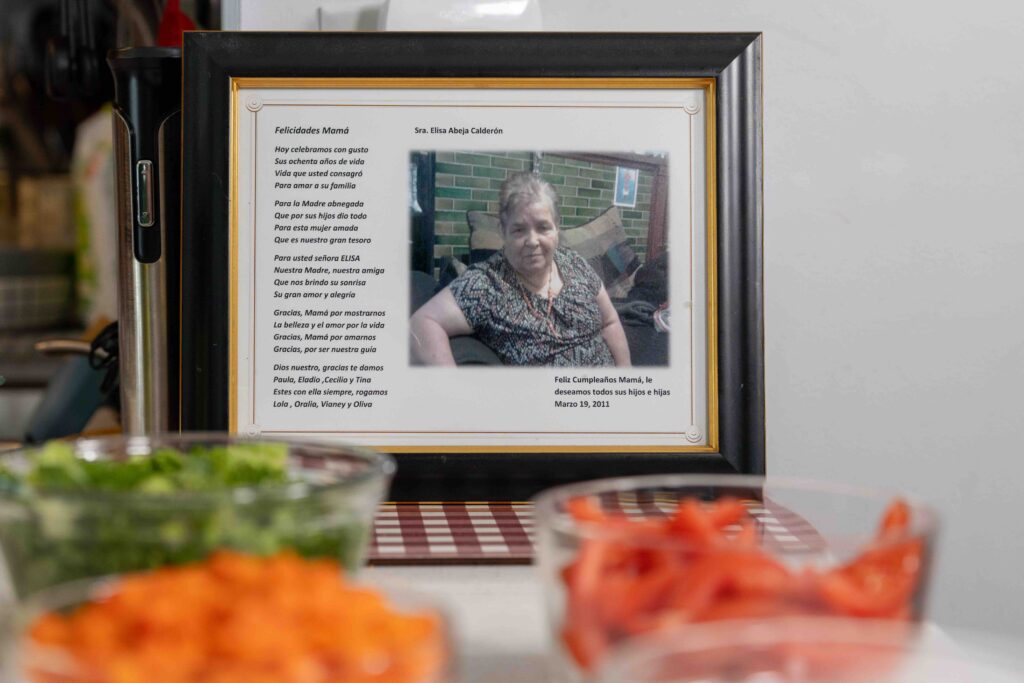
Vivi cites her forever-loved and much-missed grandmother Elisa Abeja, who lived to age 92, as the inspiration for her love of cooking for family and friends and in her work as a caterer and recipe developer.
This is her abuela’s gorditas recipe, says Vivi. It’s simple, humble — and magical.
How to Make Vivi’s Abuela’s Gorditas
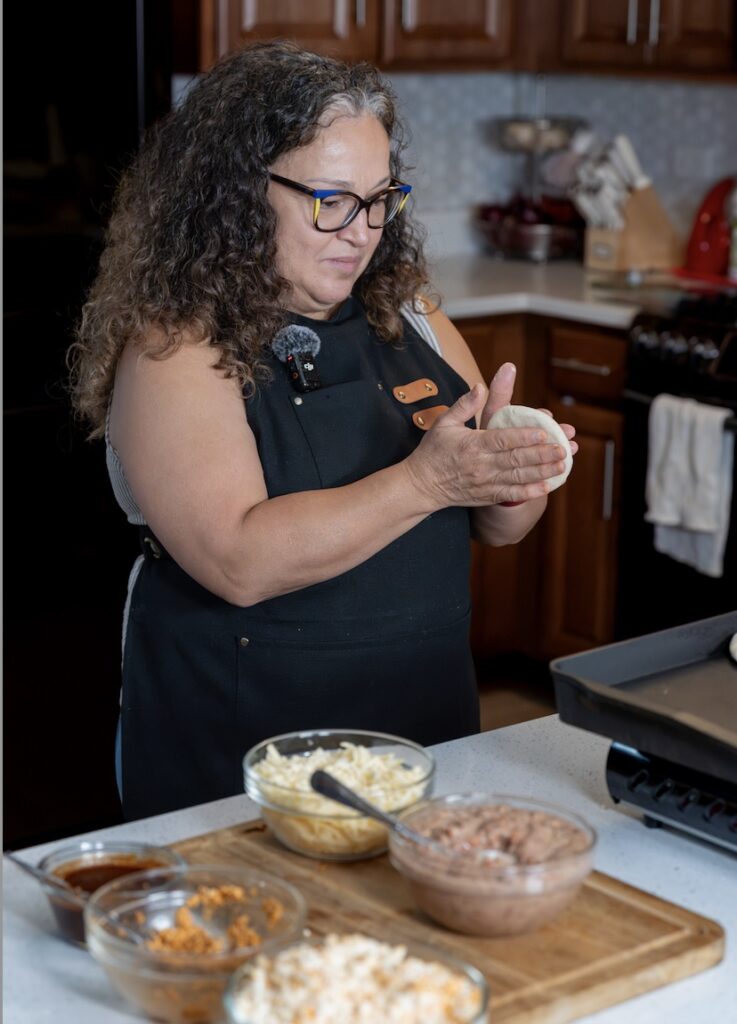
In this special step-by-step how-to video, Vivi and her mother Oralia Abeja-Lara team up in their Little Village, Chicago kitchen to show us how they make Abuela Elisa’s gorditas. “Nothing makes me feel closer to my grandparents than making the food we loved to eat together,” says Vivi.
“And once you start eating these, you can’t stop,” adds her mom, Oralia.
“Today, we’re going to show you how to make gorditas in two ways,” says Vivi. The first filling is refried beans and cheese, using her abuela’s time-honored frijoles recipe. The second filling is queso enchilado: traditional Mexican cheese (queso fresco) mixed with Vivi’s salsa para enchiladas.
Familia Kitchen asked Vivi to show us how to make both types of gorditas, cooking alongside her mother, and what this dish means to their family, as a tribute to National Hispanic Heritage Month.
Familia Kitchen: Why did you choose to make these gorditas as the No. 1 expression of your heritage for National Hispanic Month?
Vivi: Gorditas have always been a staple in my abuela’s home. Whether she made them herself or we walked to La Chiquita on 26th and Central Park [in Chicago’s traditionally Mexican neighborhood of Little Village] to eat them in the back of the grocery store. They are the ultimate comfort food and humble food. Hispanic Heritage Month is about rich traditions, and it doesn’t get richer than an authentic and humble dish like gorditas. I’ve had these at restaurants, from street vendors at a festival, and from a vendor on the side of the road traveling from Morelia to Nocupetaro.
Familia Kitchen: Do you remember the first time you ever made this dish?
Vivi: I always remember my abuelita’s house being full of family. The kids were running around playing and the women of the family were in the kitchen making uchepos, corundas, pozole, Topo, tortillas, gorditas — you name it! Ever since I was a little girl, I was always intrigued by the kitchen and the delicious food that came out of it. Sometimes, my abuelita or a tia would get a hold of us kids running around and have us do some tasks in the kitchen with them. Most of the kids didn’t like to do it but I always loved the way the masa felt between my hands, the way the chiles smelled, and all the colors of the garnishes prepared.
Familia Kitchen: How is your version of gorditas different than other recipes?
Vivi: I will say, my abuelita’s gorditas look a little more rustic than mine because she would leave the parts of the gorditas where the beans or cheese would begin to peak out. Meanwhile, I like to make sure the gordita is sealed. I will admit, when the beans and the cheese fall out, it’s my favorite part of the gordita because the ingredients begin to caramelize. So what I do, instead, is strategically add the Chihuahua cheese outside of the gordita so it still gets that effect, without there being any tears or openings in the gordita.
Familia Kitchen: On what kinds of occasions do you make gorditas today for family and friends?
Vivi: I have only made gordtias on special occasions like when I get my family together for a celebratory meal but that makes me a little sad because this was a staple in my grandmother’s home, not just for special occasions. And because of that, every time she made them, it felt like a special occasion. After remaking these and reflecting on how special these are, I feel encouraged to make this humble meal very often, on a regular Tuesday, just because.
Familia Kitchen: What does this dish mean to you personally and professionally?
Vivi: Personally this meal makes me feel connected to my Abuelita; to Michoacan, Mexico; to my culture. I feel nothing but love and appreciation. Professionally, I feel pride because I have a skill of not just working with my hands to create something beautiful and delicious, but I LOVE doing it. It’s an honor to find something you’re good at and love to do. Gorditas were the first food item I made back when I used to host culinary pop-up dinners.
The concept of “Vivi’s Table” came from the feeling I felt enjoying a meal at my abuelita’s home after a party. There was family, there was community, and there was always good food. My pop-up dinners have been a recreation of that feeling, so starting them off with gorditas was a must.
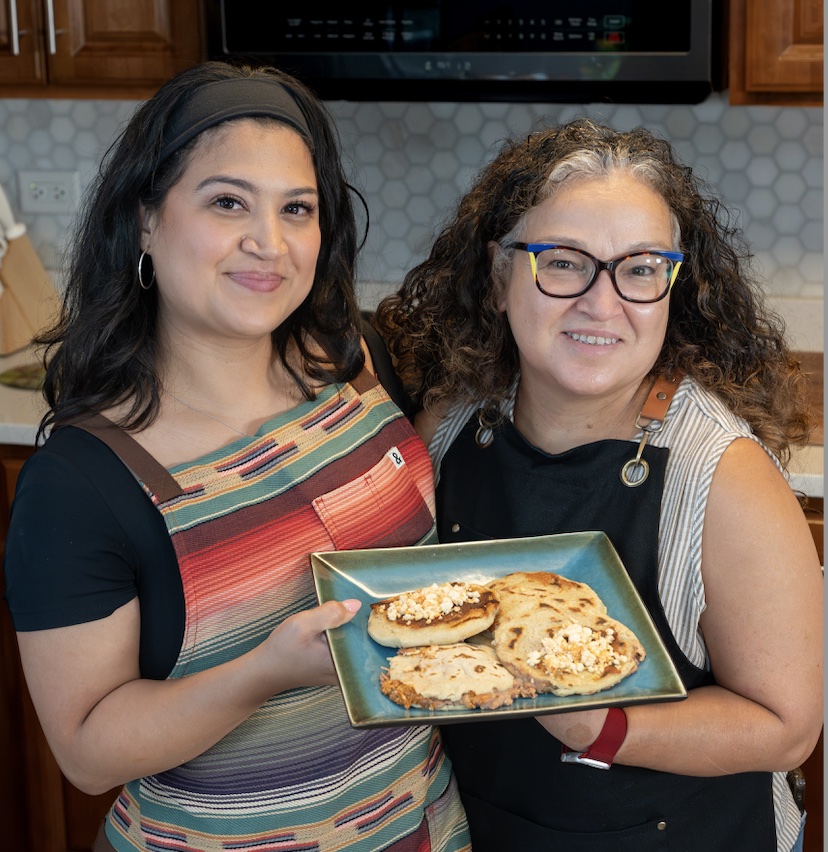
gracias a Asadero en espanglish spices for sponsoring this special National Hispanic Heritage Month series featuring Vivi Abeja, one of Familia Kitchen’s favorite Mexican cooks.
Photography by: Ronit Bezalel

How to Make My Abuela’s Gorditas for National Hispanic Month
12
porciones30
minutos30
minutosIngredientes
- para la masa
2 tazas masa harina (Vivi uses Maseca)
2 cucharadita sal kosher
2 tazas warm water, as needed
Avocado oil spray, for comal or griddle
- For Gorditas Filling: Frijoles con Queso
16 onz refried beans, canned or hecho en casa (Vivi’s recipe)
2 tazas Queso chihuahua rallado
- For Gorditas Filling: Queso Fresco Enchilado
1 taza queso fresco, desmenuzado
1 cucharada red enchilada sauce, storebought or hecho en casa (Vivi’s recipe)
Direcciones
- Prepare the Masa
- Mix the dry ingredients. In a large bowl, combine the masa harina and salt.
- Hydrate the masa. Add about 1 cup of the warm water and begin mixing with your hands, working the water into the masa. Gradually add more water, a little at a time, until the dough comes together.
- Knead the masa for 7 to 10 minutes, until smooth, soft, and hydrated. The dough should feel moist but should not stick to your hands. To test it, roll a small piece into a ball and press it with your finger. If the edges crack, knead in a little more water.
- Rest the dough. Cover the bowl with a clean kitchen towel and let the masa rest for 10 minutes.
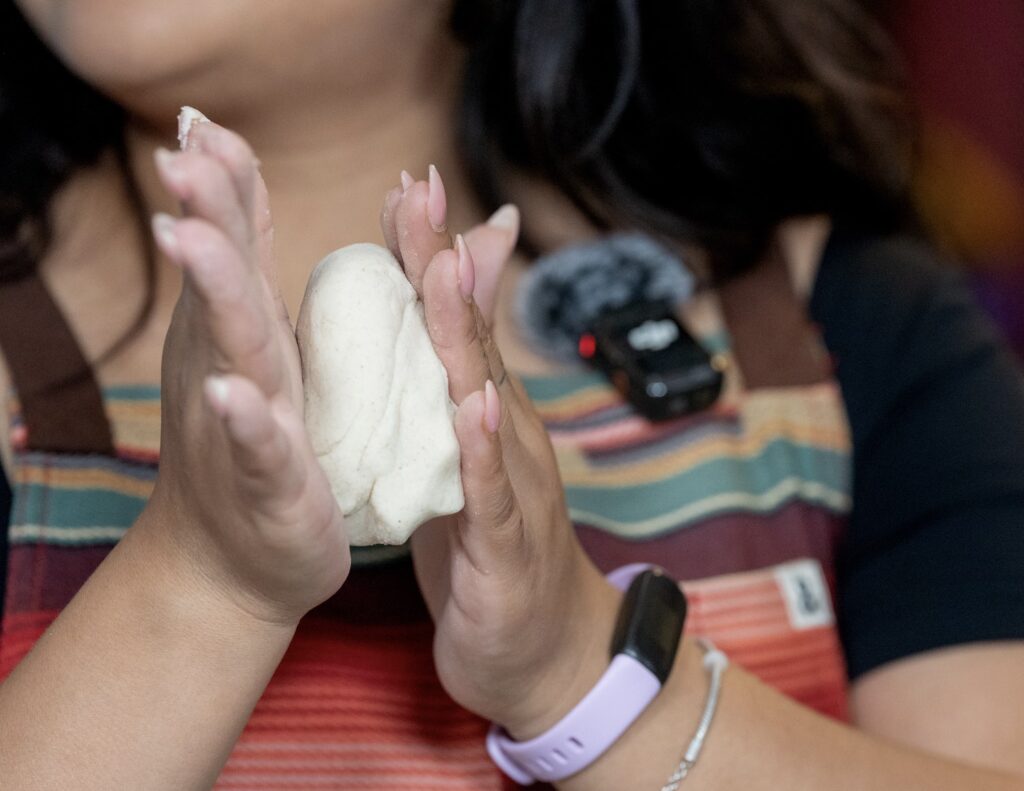
- Shape the gorditas. Divide the masa into approximately 12 equal portions, about ¼ cup each. Roll each portion into a ball, then gently flatten it between your palms into a thick disc. The gorditas should be thicker than a tortilla, but not so thick that the center will have difficulty cooking through.
- Smooth the edges. Run your fingers around the edges to smooth out any cracks. If the masa begins to crack, lightly dampen your hands with water and smooth the edges.
- To Make Gorditas de Frijoles con Queso (Beans and Cheese)
- Heat the comal. Preheat a comal or cast-iron skillet or griddle over medium-high heat. Lightly coat the surface with avocado oil spray.
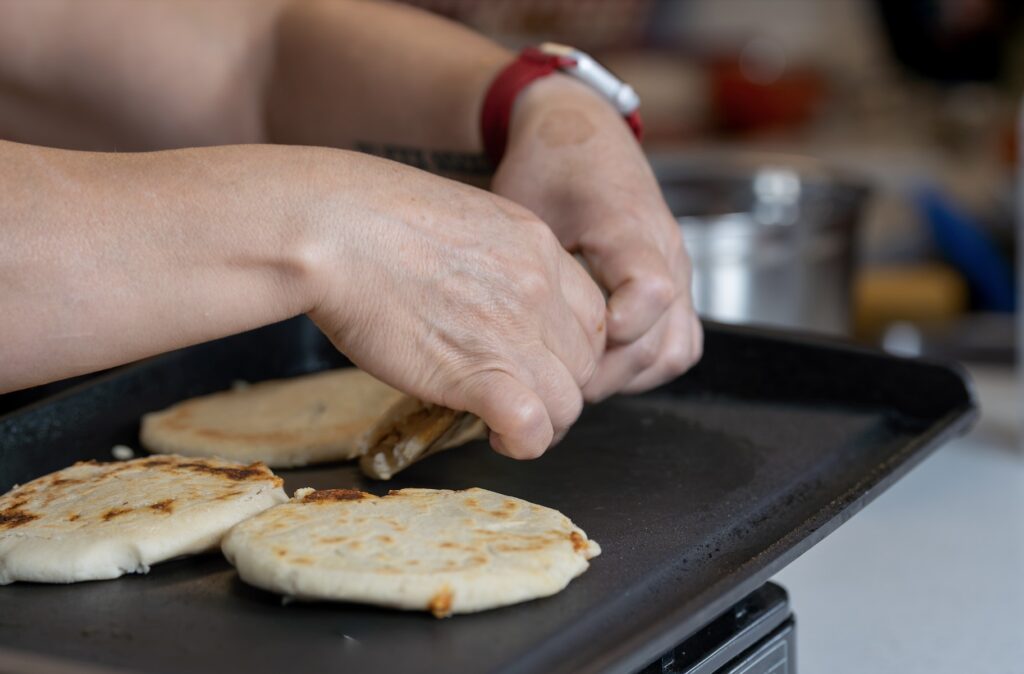
- Cook the gorditas: Place the gorditas on the hot surface and cook for about 2 minutes, or until the bottom develops golden-brown spots and the edges begin to look cooked.
- Flip and continue cooking. Heat the other side until golden. Continue flipping as needed so both sides develop an even, toasted surface. As the gordita cooks, it should begin to puff slightly, indicating that the center is cooked.
- Create the pocket: Remove the gordita from the comal and, while still warm, carefully cut a slit along one side to create an opening without cutting all the way through.
- To fill, spoon warm refried beans into the pocket and add a generous amount of shredded Chihuahua cheese.
- Melt the cheese: Return the filled gordita to the comal over medium heat. Cook for about 1 to 2 minutes per side, turning as needed, until the cheese inside is melted and the exterior is crisp. Serve immediately while hot.
- To Make Gorditas de Queso Fresco Enchilado
- In a small bowl, combine the crumbled queso fresco and enchilada sauce. Mix until evenly coated. The mixture should be moist but firm enough to hold its shape.
- Shape the masa: Take one portion of masa, approximately ¼ cup, and roll it into a ball. Flatten it between your palms to form a thick disc.
- Fill the gordita: Place about 1 Tbsp of the queso fresco enchilado mixture in the center of the disc.
- Seal: Carefully bring the edges of the masa up and over the filling, completely enclosing the cheese. Pinch the seam closed, then gently flatten the filled gordita between your palms until it returns to a thick, even disc.
- Place the gordita on the hot comal, griddle or cast-iron skillet and cook for about 2 minutes, or until the underside develops golden-brown spots and the edges begin to cook.
- Flip the gordita and cook the second side until golden. Continue flipping as needed for even cooking.
- The gordita is ready when the masa is cooked through, lightly crisp on the outside, and has developed a gentle puff. Serve immediately while hot.
notas
- Vivi’s crispy cheese trick: For an extra layer of texture and flavor, sprinkle a small handful of shredded Chihuahua cheese directly onto the comal. Place the gordita on top of the cheese and let it cook for about 30 to 45 seconds, until the cheese melts, becomes deeply golden, and develops a crispy edge.
- The consistency of the masa is key: The exact amount of water can vary depending on the masa harina and humidity. Start with less water and add more gradually until the dough is soft, pliable, and free of cracks.
- Don’t overfill your gordita: About 1 Tbsp of filling is enough for the queso fresco version. Too much filling can make the masa difficult to seal and may cause it to split during cooking.
- For the crispiest cheese: Make sure the comal is hot but not smoking when adding the Chihuahua cheese. The goal is a deeply golden, crisp cheese layer—not burnt cheese.
Como esto



 ES
ES  EN
EN
¿Tienes alguna pregunta o sugerencia?
¡Califica esta receta y deja cualquier consejo, sustitución o pregunta que tengas!